
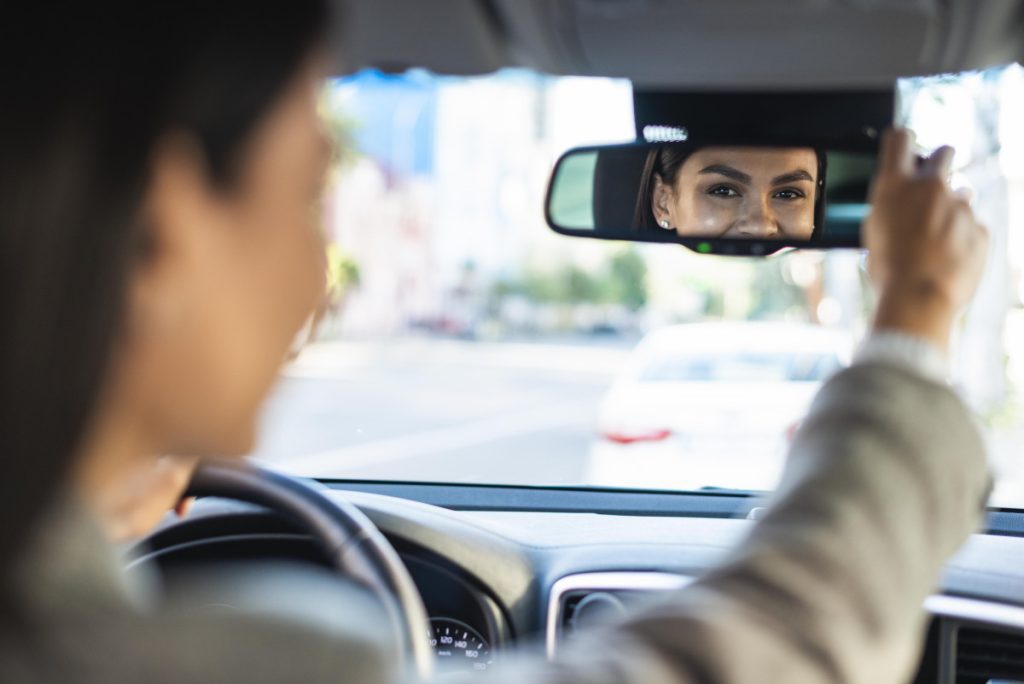
For many learner drivers, reversing is one of the most nerve-wracking parts of learning to drive. Whether it’s reversing in a straight line, slotting into a parking bay, parallel parking between two cars, or carefully navigating a corner in reverse, these manoeuvres require precision, control, and awareness.
Done well, reversing shows you’re confident, capable, and safe. Done badly, it can lead to mistakes, damage, or even dangerous situations.
At Rated Driving, we make sure every learner is equipped with the knowledge, techniques, and practice needed to reverse smoothly and safely in any situation.
From your very first lesson, our instructors will coach you on spatial awareness, effective mirror use, steering control, and hazard observation — building your confidence step by step.
By learning and mastering these reversing techniques, you’ll reduce stress, avoid costly mistakes, and become a more skilled and competent driver — ready for both your driving test and the real world.
Why Reversing Matters for Every Driver
Reversing isn’t just a box to tick for your driving test. It’s a skill you’ll use for life — parking at work, manoeuvring out of tight spots, turning around in cul-de-sacs, or avoiding obstacles on narrow roads.
Being able to reverse accurately and confidently will:
Reduce your risk of accidents and scrapes.
Make parking and manoeuvring quicker and easier.
Help you feel in control in busy or awkward spaces.
Impress your driving examiner with smooth, safe control.
The Fundamentals of Reversing
Before tackling specific manoeuvres, you need to master the essentials:
Observation — Always check mirrors, blind spots, and surroundings before and during reversing.
Steering control — Turn the wheel in the direction you want the back of the car to go.
Speed — Keep it slow — walking pace or less — for better control.
Spatial awareness — Know where the corners of your vehicle are and how much space you have.
Front swing awareness — Remember the front of your car swings in the opposite direction when reversing.
Reversing in a Straight Line: Maintaining Control and Direction
This is the foundation for all reversing manoeuvres.
How to Reverse in a Straight Line
Check surroundings — Look for pedestrians, cyclists, or vehicles that could approach during the manoeuvre.
Adjust mirrors — Ensure you have a clear view behind and to both sides.
Position your hands — Many learners find one hand at the top of the wheel (12 o’clock) and the other on the gearstick or handbrake gives better control.
Move slowly — Use gentle clutch control (manual) or light pressure on the accelerator (automatic).
Look mainly behind you — Use the rear window for your main view, with regular mirror checks.
Common Mistakes to Avoid
Oversteering and drifting off line.
Focusing only in one direction.
Reversing too quickly.
Bay Parking: Reversing into a Marked Space
Bay parking is common in car parks and test centres. Accuracy is key.
Step-by-Step Bay Parking
Choose your space — Ideally with enough space on both sides.
Position your car — Parallel to the bays and far enough away to allow turning room.
Check and signal — Make sure it’s safe and let others know your intentions.
Use the 45-degree method — Reverse until your car is at a 45° angle to the bay lines, then steer fully into the bay.
Straighten up — Once inside the lines, centre the car.
Tips for Success
Practise in quiet car parks.
Use bay lines as guides.
Adjust if your initial angle isn’t right.
Parallel Parking: Reversing Between Two Vehicles
Parallel parking is often seen as one of the toughest test manoeuvres, but with the right method it becomes straightforward.
How to Parallel Park
Find a suitable space — At least 1.5 times your car length.
Line up — Position parallel to the car in front, about 1 metre away.
Begin reversing — Turn towards the kerb when your rear wheels are level with the back of the other vehicle.
Countersteer — Straighten the car as it moves in, then steer away from the kerb to align.
Adjust as needed — Use small movements to centre your car.
Key Things to Watch
Don’t clip the kerb.
Maintain steady speed.
Keep checking mirrors and blind spots.
This manoeuvre shows your ability to control the car and follow a kerb line in reverse.
Steps to Reverse Around a Corner
Observe and signal — Make sure the area is clear and signal your intentions.
Position correctly — Approach close to the kerb before starting.
Control your speed — Use clutch control or gentle braking to stay slow.
Follow the curve — Steer gradually to match the bend of the corner.
Straighten up — Once past the corner, align your car parallel to the kerb.
Observation: Your Safety Net When Reversing
Good observation isn’t just a requirement — it’s your main defence against accidents. Always:
Look over your shoulder in the direction you’re moving.
Check all mirrors regularly.
Scan ahead for vehicles or pedestrians who may approach.
Stop if anyone enters your path.
Avoiding Common Reversing Mistakes
Moving too fast and losing control.
Not checking blind spots.
Steering too much or too little.
Forgetting about the front swing.
Rushing under pressure from other drivers.
How Rated Driving Instructors Help You Master Reversing
Our instructors will:
Demonstrate each manoeuvre first.
Guide you through with clear, calm instructions.
Give you reference points to help judge space and angles.
Help you practise in both quiet areas and realistic conditions.
Provide feedback so you improve quickly and consistently.
Final Thoughts: Reversing with Confidence
Reversing is about more than just passing your driving test — it’s about being in control in every driving situation. The more you practise, the more second nature it will become.
With Rated Driving’s structured lessons and expert guidance, you’ll master reversing in all its forms — safely, smoothly, and with the confidence to handle any road or parking scenario.
Reversing FAQ's
Yes. The test will usually include at least one reversing manoeuvre, such as reversing around a corner, parallel parking, or reversing into a parking bay.
You should reverse at walking pace or slower to maintain full control and allow time for accurate steering and observation.
Primarily through the rear window in the direction of travel, while also checking mirrors and blind spots regularly.
You can, but steering while the car is moving slowly is smoother and puts less strain on the steering mechanism.
Turn the wheel in the direction you want the back of the car to go — left for left, right for right.
No. It’s illegal and unsafe to reverse into a main road from a side road or driveway.
Practice regularly in safe, quiet areas, use reference points, and make small steering adjustments rather than large ones.
Stop, pull forward to correct your position, and then continue the manoeuvre.
Signal if it will benefit other road users or pedestrians, for example when reversing into a driveway from the road.
Failing to maintain effective all-round observation throughout the manoeuvre.