
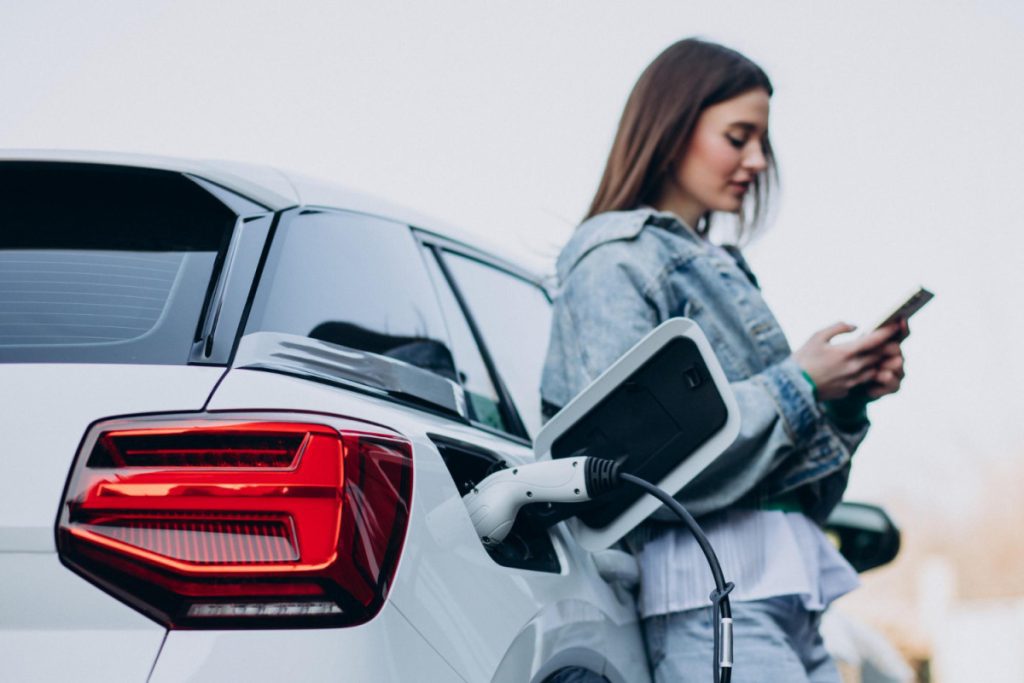
Electric cars (EVs)—love them or hate them, they are considered the future. Once viewed as a niche option, they are now reshaping our perceptions of driving, manufacturing, and the future of transportation. Electric vehicles are becoming more popular by the day as more individuals focus on sustainability and efficiency. Thanks to this shift, the automotive industry is quickly adapting to these new priorities.
But what does this transition really mean for manufacturers, drivers, and the economy at large? Let’s take a closer look at how electric vehicles are driving this transformation.
Rethinking How Cars Are Made
Unsurprisingly, the shift to electric vehicles is pushing manufacturers to make major changes. In fact, many, a few that are the most beloved car manufacturers, are now starting to move from the petrol and diesel engines that have driven their success for decades.
Let’s not forget that these engines helped them to become the household names they are today. Instead, they are choosing to invest their resources into electric technology, as they are determined to remain competitive in an industry that is changing rapidly.
However, it’s not as straightforward as they might have hoped. Today, they have to watch out for more than just their usual competitors. Thanks to the new trends, start-ups focused on EVs are challenging these traditional players, introducing fresh ideas and encouraging a new way of thinking.
All this competition, whilst great for the consumer, is forcing manufacturers to find and implement new ways to mark themselves as the best option on the market.
Of course, there’s more! The manufacturing process is being transformed on the production floor, too. For example, the assembly lines were originally set up for petrol and diesel vehicles. Now, they are being adapted to fit electric motors and batteries.
Some companies are even taking it a step further by constructing entirely new factories specifically for EV production. All of these cutting-edge facilities are designed to improve efficiency and lower costs. The end result is that it makes electric cars more affordable for consumers.
Technological Innovations Driving Change
As it has with almost every industry, technology has influenced changes in the automotive industry and the EV revolution. For instance, improvements in battery technology have made it possible to drive longer distances on a single charge.
What’s more, it has done so while bringing costs down. Lithium-ion batteries are now more efficient than ever, and research into new types of batteries, like solid-state, could make EVs even more powerful and faster to charge in the near future.
Along with advances in battery tech, the integration of smart features has become another major selling point for electric vehicles. Autonomous driving capabilities, over-the-air software updates, and improved connectivity are now part of the EV experience. All of these elements help to add new levels of convenience and functionality that traditional vehicles simply can’t match.
It doesn’t end there – charging infrastructure has also expanded rapidly. More and more fast-charging stations are starting to appear across cities and highways, which allows EV owners to drive with confidence that they won’t be too far from a charging point, should they need it. All of these developments have helped to make owning an EV a little more practical choice for many people.
Economic Impacts of Electric Cars
As we all know, the environmental benefits of switching to an electric car are what is marketed the most. And, for good reason too. However, the switch to electric vehicles has also had significant effects on the economy.
Today, many automotive supply chains are shifting focus, with demand for traditional parts like exhaust systems declining while demand for components such as batteries and electric motors is surging. This transformation is paving the way for new business opportunities and roles within the industry.
One example of how leasing companies are responding to the growing demand for electric vehicles is through more EV-specific leasing deals. Consumers are drawn to the flexibility of leasing because it allows them to drive an electric car without committing to an outright purchase.
Electric car leasing with Gateway2Lease, for instance, offers tailored packages that meet this new demand, making EV ownership more affordable and accessible to a wider audience.
Challenges Facing the Widespread Adoption of Electric Vehicles
Yes, EVs offer many advantages, but it’s equally important to acknowledge the challenges. There are still a few hurdles to overcome before they can be widely adopted; for instance, the availability of charging stations.
Many urban areas are seeing an increasing number of charging points being installed. However, in more rural and remote regions, there is still a lack of sufficient infrastructure. These gaps in coverage can deter potential buyers from making the switch to an EV.
Whilst there have been significant improvements in battery technology, battery production does present its own set of challenges. The extraction of materials like lithium, cobalt, and nickel, which are essential for EV batteries, raises concerns over sustainability and ethical practices.
On top of all this, the recycling of EV batteries remains an ongoing issue that needs to be addressed to ensure long-term environmental benefits.
Predictions for the Automotive Sector Going Forward
So what does the future hold? Is it safe to say that the future of the automotive industry is electric? Well, that’s what experts are predicting! Within the next two decades, they predict that EVs will make up a large portion of global car sales, thanks in part to government incentives and policies phasing out petrol and diesel cars.
Not only this, but this shift is likely to spark even more innovation, as manufacturers push to develop new materials, designs, and energy solutions for the next generation of vehicles.
Electric cars are becoming more and more widespread, so it’s possible that many traditional car manufacturers will make the full transition to electric production, leaving petrol and diesel engines behind. And, it’s not just personal vehicles making the switch. It wouldn’t be a surprise to see the switch being made to commercial vehicles and public transport sectors as well.
Ultimately, as the industry continues to evolve, it’s clear that electric cars will play an integral role in shaping the future of the automotive sector.