
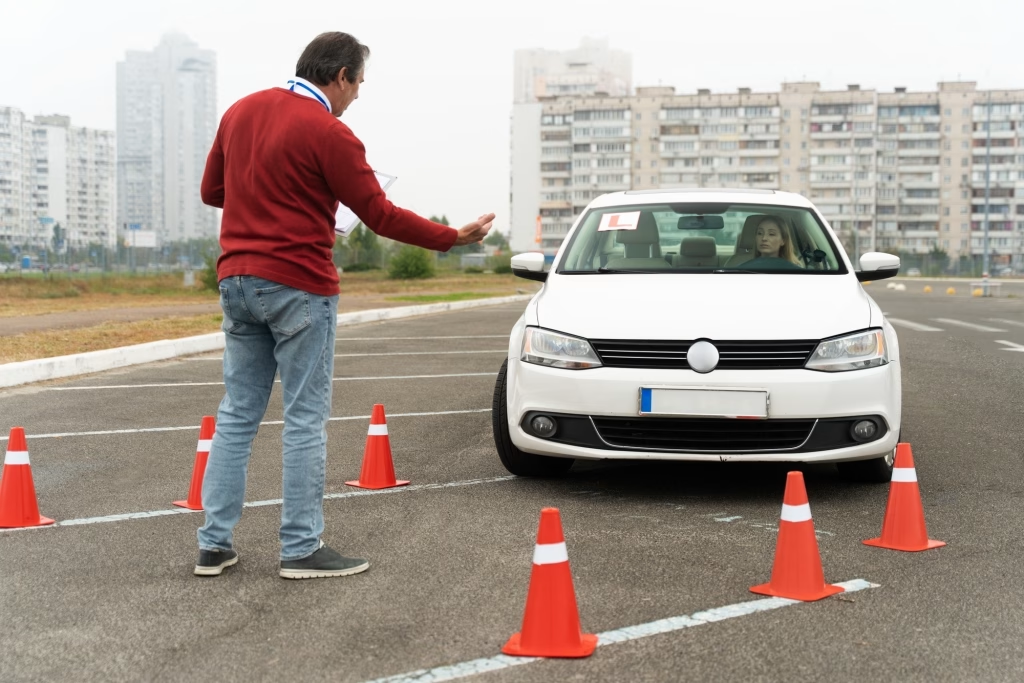
Learning to drive involves more than memorising procedures or passing a test. It requires attention to detail, consistency, and a willingness to correct small habits before they grow into larger problems. Many learners make the same mistakes, some without even realising, and these missteps can lead to delays, frustration, or repeated test attempts.
Most of these issues can be avoided with the right approach and mindset. Spotting patterns early gives learners a stronger foundation to build on during lessons and when driving independently. This article outlines learner drivers’ most common mistakes and how to avoid them.
Forgetting to Use Mirrors and Indicators
Many learner drivers miss out on consistent mirror checks or delay using their indicators. These actions seem small but have a major effect on safety and test performance. It’s important to scan mirrors frequently, especially before changing speed, direction or position.
Indicators must be timed to give other road users enough warning. Late or confusing signals can lead to failed test attempts and near-misses on the road. Make it a routine to check mirrors before any manoeuvre. This includes overtaking, changing lanes, or entering roundabouts.
Instructors often repeat this point because it’s easy to forget when focusing on the road ahead. Building it into muscle memory helps. Ask your instructor regularly for feedback on mirror use and take time to correct the habit if it’s missed.
Rushing Key Manoeuvres
Learners sometimes feel pressure to complete tasks quickly. That rush often leads to oversteering, stalling, or missed steps during basic exercises like three-point turns and bay parking. Slowing down reduces errors.
Take extra time when lining up for parallel parking. Check your mirrors, adjust your seat and steering position if needed, and follow the steps your instructor has shown. Clutch control matters just as much as steering. Jerky movements signal a lack of confidence, which examiners will pick up on.
Wherever possible, try to repeat difficult manoeuvres in different locations. Try quiet roads, practise in car parks, and vary available space. This helps you react better during the actual test. Moving at your own pace builds control, which is often more important than speed.
Slowing your actions down doesn’t mean becoming indecisive. Instead, it helps you control the car more confidently. Take extra care when moving from reverse to first gear, especially during hill starts. These are often areas where learners stall or roll slightly. Practice on quiet roads with different slopes to build muscle memory.
Reviewing your manoeuvres after each lesson can also help. Write down what went well and what needs work. Discuss these with your instructor to focus your next session on the right areas.
Some learner drivers overlook paperwork. This includes forgetting forms for lessons or errors when booking the theory test. Small mistakes can delay progress or lead to cancellations. Managing documents carefully avoids these setbacks.
When filling out forms, double-check your details. Many driving schools or test centres require PDF documents for licence copies or booking confirmations. If you’re asked to update a form and don’t have editing software, you might need to adjust PDF files online. Tools like Adobe Acrobat’s editor make it easier to use without downloading software.
Keeping documents organised helps with appointment scheduling, payment tracking, and confirming lesson plans. Ask your instructor or school if they provide templates or examples to help keep things in order. Digital tools can help, but being organised is just as effective on paper.
Many learners forget to bring the correct documents to their practical test. This can cause cancellations and long delays. Always check with your instructor or DVSA for the latest requirements.
Simple habits like saving digital copies of forms, setting reminders, and reviewing your test booking details reduce stress on the day. If updates or corrections are needed, knowing how to adjust PDF forms is useful for resubmitting error-free copies quickly.
Weak Observation at Junctions and Roundabouts
Poor judgment at junctions causes many test failures. Learner drivers either hesitate too long or move forward without proper checks. Both create risks and cost points during the assessment.
Observation needs to happen early. Use side mirrors, glance across roads, and watch for oncoming vehicles well before reaching the line. Don’t rely on other drivers slowing down. Always be sure it’s safe before moving.
At roundabouts, look to your right and judge gaps. Try to read vehicle speed, not just distance. It’s better to wait than force your way in, but over-cautious decisions can make you seem unsure.
Work on this with your instructor on different types of junctions: open, closed, multi-lane, or those with poor visibility. Developing this skill will give you confidence in real-life driving, not just test situations.
Letting Test Nerves Take Over
Feeling nervous during lessons or tests is common. These nerves sometimes lead to rushed decisions, forgotten checks, or freezing during complex tasks. Staying calm under pressure improves control and helps with memory recall.
Take mock tests with your instructor to simulate real conditions. This makes the process familiar and reduces surprises. Breathing techniques can also help before and during lessons.
If you struggle with anxiety, mention it to your instructor. Many will adapt their style to help you feel more comfortable. Small routines, such as arriving early, practising deep breathing, or reviewing key manoeuvres, can make a big difference.
Preparation outside the car matters as well. Get enough sleep the night before, eat something light, and avoid caffeine overload. Physical wellbeing plays a role in how you perform behind the wheel.
Build Confidence by Fixing Common Errors
Safe and successful driving comes from steady improvement. Most learner drivers make mistakes during their early sessions. Fixing them takes time, practice and a willingness to improve.
Look at each challenge as a skill to develop. Working closely with a qualified instructor, asking questions, and staying engaged will help turn these mistakes into strengths.
Avoiding common errors builds more than test readiness; it lays the foundation for safe driving long after you’ve passed. Start applying the advice above and track your progress through each session.
Keep a checklist of your progress and revisit difficult areas with your instructor until they feel natural. Confidence doesn’t come overnight, but small improvements in each lesson create strong driving habits over time. Make steady progress toward your goal.