
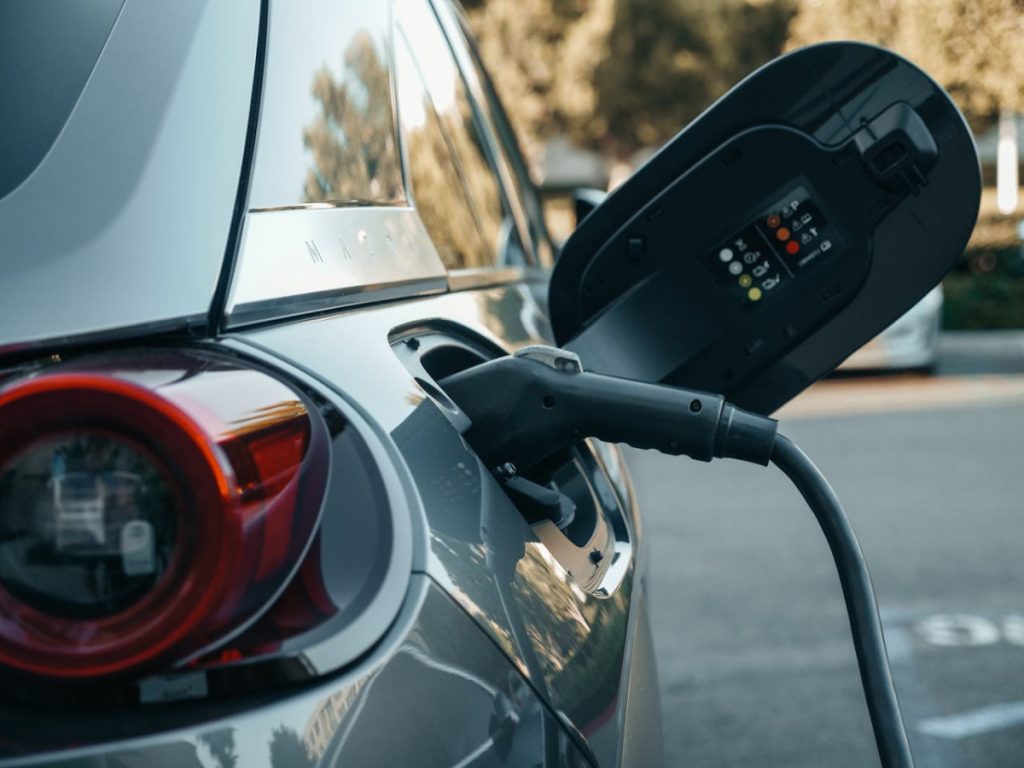
The popularity of electric vehicles is rising in the UK and worldwide. Recent industry data finds that the sale of EVs in the used-car market grew phenomenally in 2024. More consumers have made the switch to greener, more sustainable choices that also reduce the overall cost of ownership.
While the trend signals positive news for the environment, it mandates additional safety measures on the road. Driving an electric car has some inherent differences from petrol and diesel vehicles. If you are new to an EV, you may not realise the extent of these differences and the intrinsic safety risks of being careless.
That said, some incidents also arise from seemingly no apparent reason. In October 2024, an EV parked outside a Northamptonshire home spontaneously exploded and set the front of the house on fire.
While these incidents are undoubtedly unnerving, we can expect their frequency to reduce in the future. More manufacturers are ramping up caution and investigating possible faults.
In the meantime, here are practical tips to remain safe when driving an electric vehicle.
1. Accept a Learning Curve When Switching to an EV
You might be an experienced driver who has travelled through different terrains. Even then, switching to an electric vehicle from a combustion engine car has a learning curve. Appreciating this and adapting your driving accordingly will help you be safe.
For example, the RoSPA emphasises that electric vehicles may differ in performance and acceleration. They are also usually heavier since the weight of their batteries is considerable.
These differences require drivers to be aware of aspects like braking distances and journey planning. The latter also becomes significant due to the availability (or lack thereof) of charging points along your route.
Globally, electric vehicles are experiencing increasing adoption, with higher availability of charging facilities and a regulatory push toward greener choices. In Illinois, USA, many state parks now have charging stations. The idea is to allow people to drive electric cars to the famous state parks.
While the move is encouraging, local EV drivers should remember that these cars produce less noise than fuel-based alternatives. Consequently, drivers must be more cautious of pedestrians and heavy commercial trucks, which are common in a logistics hub like St. Louis, a major city in Illinois. If you suffer a collision, a St. Louis truck accident lawyer can help you file for damages and understand if the EV manufacturer also shares the blame.
2. Avoid Overcharging the Battery
In many accidents involving electric vehicles, a battery fire is to blame. The BBC reports that fires caused by poor-quality electric vehicle batteries have become a grave concern, according to the Electrical Safety First charity. Most of these fires occur because of the sudden temperature spikes brought on by chemical reactions.
What stands out here is that quality is significant in lithium batteries. Whether they are inherently unsafe remains debatable. Still, as an EV owner, you should ensure that you maintain the battery well. Overcharging it can affect its life and performance. You can maintain track of the charging status through the warning indicators.
Another safety consideration is using reputed, trusted charging stations. It is best to use only a certified charging device vetted by a nationally recognised testing lab.
The UK government is planning to simplify the installation of EV charging points by eliminating time-consuming paperwork. At home, vehicle owners should use a dedicated charging spot that does not require a multiplug adapter or extension cord.
Since your charging unit may experience wear and tear in time, you should ensure that you maintain it properly. For example, you can prevent water damage by covering the unit properly.
3. Practise Defensive Driving
Following defensive driving techniques can help you stay safe whether you drive an electric or fuel-based vehicle.
These techniques involve taking proactive steps to reduce the risk of accidents and also keep fellow drivers and pedestrians safe. For example, some drivers recommend a three-second gap from the vehicle in the front. It ensures you are safe from the impact of emergency braking situations.
Staying aware of your surroundings is another crucial component of defensive driving. Talking on your cell phone while driving does not pass this test. Instead, consider using hands-free gadgets only and avoid taking long calls.
In general, EV drivers should follow standard safe driving techniques, such as avoiding overspeeding and distractions. According to TorHoerman Law, the most accident-prone situations for any vehicle, EV or otherwise, include driver fatigue and driving under the influence.
4. Be Aware of Updates or Recalls on EV Components
The UK’s Health and Safety Executive (HSE) notes that working with electric vehicles has some inherent risks. For example, the high-voltage components in the car may cause an electric shock if mishandled.
The stored electrical energy may cause a fire if some components malfunction. Thermal runaway can make the fire spread fast, leading to the complete loss of the vehicle.
As an EV owner, you must stay updated with recalls or essential updates manufacturers issue from time to time. In January 2025, GM recalled several Chevrolet Equinox EVs because of a problem with the adaptive cruise control. It was manifesting as issues in the braking system.
Likewise, Volkswagen also recalled many EVs over a display glitch. It interfered with showing drivers the correct gear position of the vehicle, which is potentially dangerous.
Responsible drivers must stay alert of these updates and take the required action for repair or maintenance.
Here’s hoping you feel more prepared to drive an electric vehicle and enjoy its numerous benefits, from being eco-friendly to bringing you governmental incentives. Like any other new big-ticket purchase, EVs need additional precautions and maintenance to ensure you experience their benefits while managing the potential downsides.