
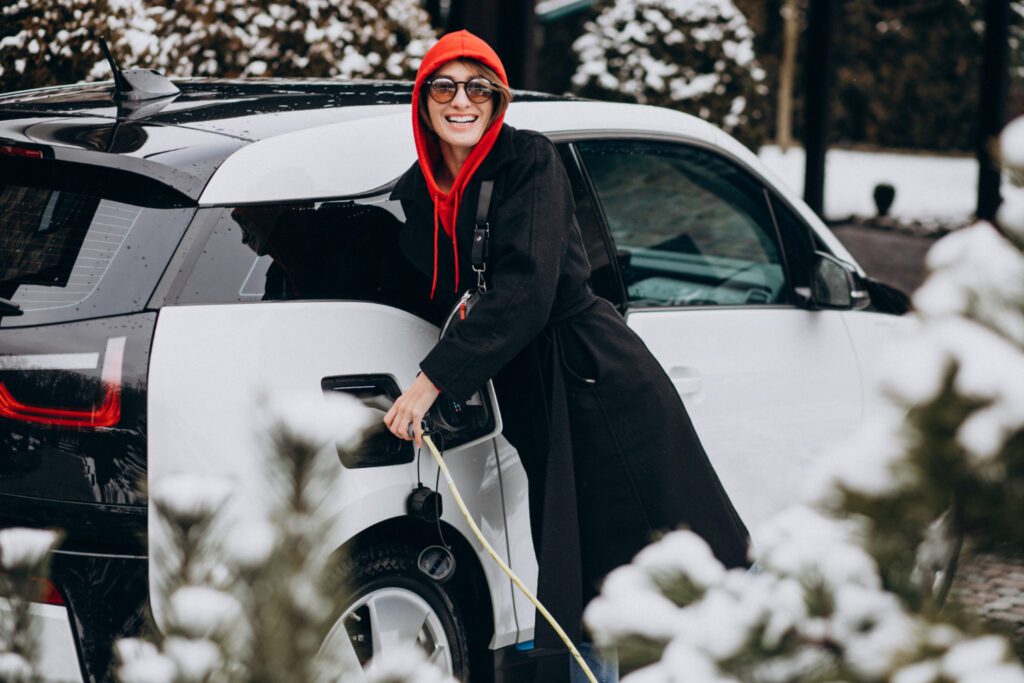
Winter brings a unique set of challenges for electric vehicle owners across the UK. As temperatures drop, EV drivers face reduced battery range, slower charging speeds, and increased reliance on their charging equipment. The cold weather doesn’t just affect the vehicle itself – it also impacts how charging cables perform in harsh conditions.
For many EV owners, knowing the differences between various charging options becomes especially important during winter months. Type 2 charging cables, the standard connector for most European electric vehicles, must withstand freezing temperatures and potentially wet conditions. Meanwhile, portable charging cables offer flexibility for drivers needing to top up away from home, though their performance can vary in cold weather.
How Cold Weather Affects EV Battery Performance
Cold temperatures can reduce the range of electric vehicles. This happens because chemical reactions in lithium-ion batteries slow down in cold weather, leading to less efficient energy delivery and storage.
Modern electric vehicles include battery thermal management systems to help reduce these effects. These systems work to keep the battery at an ideal temperature, but they use energy to do so. This creates a situation where the battery needs power to stay warm but has less power available because of the cold.
Winter-Ready Charging Cable Considerations
Using charging cables suitable for winter conditions is practical for both range preservation and safety. Manufacturers produce cables that meet European standards such as IEC 62196, maintaining power delivery even in lower temperatures. Drivers should inspect charging cables before each winter to check for damage or cracks in the sheath.
Proper storage also helps cable durability. When not in use, cables should be stored inside at room temperature and coiled loosely. Cold and wet conditions can make cables brittle or stiff, so controlled storage extends product life and keeps flexibility for easier handling.
Impacts on Regenerative Braking and Efficiency
Regenerative braking, which allows electric vehicles to recover energy while slowing down, also faces limitations in colder weather. As battery temperature decreases, the battery’s ability to accept charge can drop. This means less energy is recaptured through regenerative braking.
Being aware of these changes in performance helps manage risk for UK winter conditions. Planning shorter trips and charging more frequently in cold weather are practical adjustments drivers can make.
Essential Winter Preparation for EV Drivers
Battery Pre-Conditioning and Charging Levels
Pre-conditioning the battery is one of the best ways to increase winter range. This approach involves warming the battery while plugged in. Most electric vehicles offer scheduling for this process through their infotainment system or app.
Managing charge levels in winter helps support battery health. The recommended range for daily use is keeping charge levels between 40 and 80 percent. In particularly cold climates, batteries should not drop below 20 percent charge.
Tyres, Cable Checks, and Water Protection
Winter tyres play an important role for electric vehicles. The torque of electric motors can make standard tyres slip, especially on ice or snow. Using winter or all-season tyres with the correct tread depth increases grip and prevents wheel spin.
Cable inspection is needed before the cold season. Any cracks in the sheath, bent pins, or loose connector seals should be addressed promptly. Moisture entering the cable or connector can stop charging sessions or damage the equipment.
Portable charging cables serve as reliable backup options during winter travel. These compact units can connect to standard household outlets when dedicated charging stations are unavailable. Keeping a portable charging cable in your vehicle provides peace of mind for unexpected situations or emergency top-ups.
Weatherproofing Your Charging Equipment
Protecting Charging Stations and Cables from Elements
Shielding outdoor charging points from rain, snow, and dust is necessary for safe winter charging. Home charging stations benefit from weatherproof covers that guard the unit and cable connection from rain, snow, and ice. These covers are inexpensive but can prevent moisture damage.
Proper storage of type 2 charging cables helps keep their flexibility and functionality. When not in use, cables should be stored in a dry, room-temperature location rather than left outside. Loose coiling prevents stress on the internal wiring.
Quality of Plugs, Connectors, and Cold Weather Handling
Dependable weatherproof plugs and connectors improve winter reliability. Voldt® charging equipment with high IP (Ingress Protection) ratings perform better during cold and wet conditions. An IP rating of IP65 or higher indicates good protection against water and dust.
Cold temperatures can make charging cables stiff and difficult to handle. Keeping cables away from freezing conditions helps maintain pliability. If a cable becomes stiff from cold, gradual warming before bending prevents damage to the internal wiring.
Smart Charging Strategies for Cold Weather
Optimising Charging Times and Battery Conditioning
Scheduling charging during the warmer parts of the day increases efficiency. Charging in the afternoon, when outside temperatures rise, helps the battery accept power more efficiently than charging overnight when it’s coldest.
Home charging provides extra thermal protection for the battery. When an electric vehicle stays plugged in after reaching full charge, many models use a small amount of grid power to keep the battery warm.
Public Charging Logistics and Real-World Planning
Route planning becomes especially important during winter journeys. Identifying public charging stations that are accessible year-round, sheltered from severe weather, and list real-time availability should form the foundation of winter journey planning.
For any winter route exceeding an hour, mark at least two alternative charging locations within a reasonable detour of your planned stops. This provides backup options if a primary charging station becomes inaccessible.
Calculating realistic winter range requires adjusting your vehicle’s standard range estimates. A practical approach is to allow for a notable reduction in your normal range for temperatures near freezing, and even more in sub-zero conditions. This cautious calculation helps prevent range anxiety and unexpected stops.
Troubleshooting Common Winter EV Issues
Frozen Charging Ports and Cables
Frozen charging ports and cables can interrupt charging sessions or prevent connections entirely. Trying to force a frozen connector may damage contact pins or seals. Using a car’s built-in defrosting system sometimes helps by gently heating the port.
Icy build-up is more likely on vehicles parked outside overnight. To prevent repeated freezing, storing cables indoors after use is a practical routine. For workplace or public charging, wrapping the connector with a purpose-designed weather boot can keep ice and snow away.
Charging Speeds, Battery Depletion, and When to Call for Help
Many drivers report dramatically slower charging speeds on very cold days. Lower battery temperatures reduce current flow, and some vehicles require their battery heater to run during charging. This uses energy and slows the process.
When a battery becomes severely depleted and temperatures are below freezing, careful handling is especially important. Charging at a lower power setting or using a sheltered, indoor charging station helps avoid further stress on the battery.
Winter EV Driving Techniques
Maximising Cabin Comfort and Battery Savings
Efficient use of cabin heating affects winter driving range directly. Using seat and steering wheel heaters instead of relying solely on air-based heating can help conserve energy. These features generally demand less power than full cabin heating.
Drivers also benefit from adjusting charging routines to winter’s demands. Topping up after each drive, rather than waiting until the charge is low, prevents the battery from sitting at low levels in freezing weather.
Adapting Driving Style and Route Planning
Modifying driving habits during cold and icy spells improves both safety and efficiency. Smooth acceleration prevents unnecessary energy spikes and reduces the risk of wheelspin or traction loss, particularly on snow-covered roads.
Eco driving modes prove especially useful during winter. Using these modes can help stretch limited range by reducing power output and prioritising energy recovery. Choosing eco settings for daily commutes helps conserve battery and adjusts for slower charging speeds.