
Most people don’t realise it, but the decision between manual and automatic lessons shapes your entire driving future.
It’s not just about learning to drive. It’s about freedom, control — and the type of driver you become.
So if you’ve been wondering “Should I learn in a manual?” — this article gives you the full picture.
What Is a Manual Driving Lesson, Really?
It’s More Than Just Changing Gears
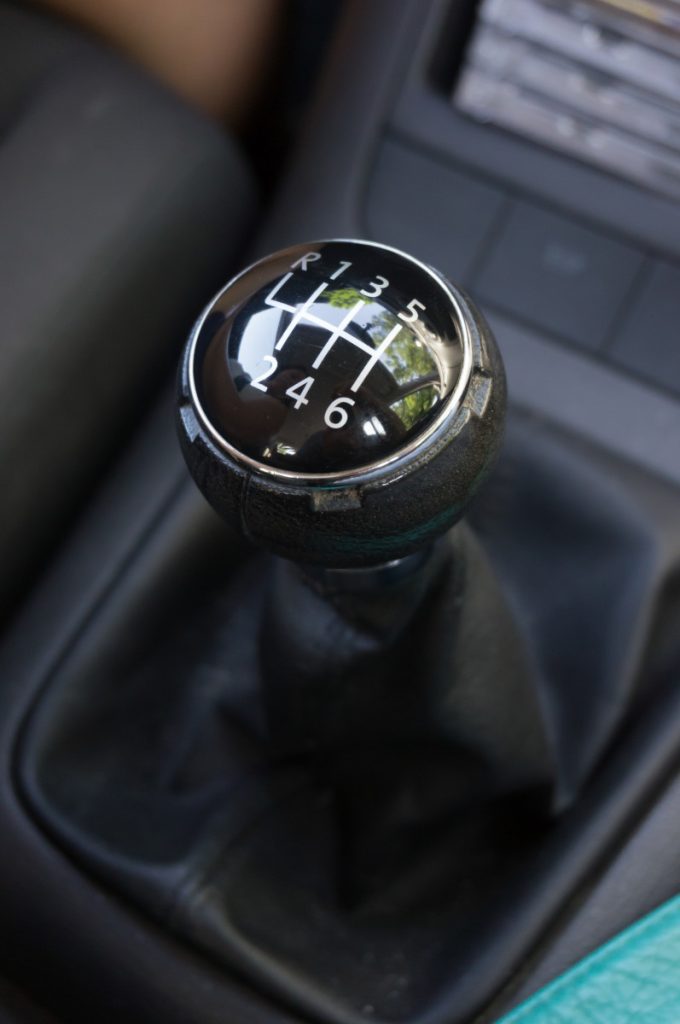
A manual driving lesson teaches you to drive a car with a clutch and gear stick. Sounds simple enough — until you realise you’re controlling a moving 1.5-tonne machine with your feet, hands and full attention.
It’s the full-fat version of driving. And once you’ve mastered it? You can drive anything.
What You’ll Learn Behind the Wheel
- Coordinating clutch control with accelerator use
- Changing gears smoothly in real traffic
- Starting on hills without rolling back
- Managing roundabouts, junctions, dual carriageways
- Developing full vehicle awareness and anticipation
The Big Advantage – Freedom
Manual Licence = Full Driving Licence
When you pass your test in a manual car, you can legally drive both manual and automatic vehicles.
Pass in an automatic? You’re restricted to automatics only. That’s a big limit on your options — especially if you ever need to drive abroad, rent a car, or buy second-hand.
The Road Is Yours to Choose
- Hiring a car in Europe (most are manual)
- Borrowing a friend’s car
- Buying a first car on a budget (manuals are cheaper)
- Needing flexibility in an emergency
But Manual Is Harder, Right?
Yes — and That’s the Point
Learning in a manual is more challenging at the start. But that’s where the growth happens.
You’re forced to pay more attention. You become more aware of your surroundings. You feel the road, not just sit on it.
Many learners who start in manual say:
“It was harder at first… but I’m so glad I stuck with it.”
The Confidence You Build Is Unmatched
Because when you’ve mastered clutch control on a busy roundabout at rush hour? Everything else feels easy.
Who Should Consider Manual Driving Lessons?
You’re a Great Fit If…
- You want the freedom to drive any car
- You’re looking for long-term value
- You don’t want to be limited later in life
- You’re up for a challenge — and want to grow from it
- You want to become a confident, capable driver
You Might Prefer Automatic If…
- You have coordination difficulties or a disability
- You’ve tried manual and it causes stress or anxiety
- You need to pass quickly and aren’t planning to drive many different vehicles
- You live in an area with heavy stop-start traffic
The Benefits of Learning in a Manual
More Vehicle Control
When you drive manual, you choose the gears. That means more precision, better traction, and more control in snow, rain, hills and corners.
Cheaper Cars and Better Fuel Economy
Manual cars are usually cheaper to buy, insure, and service. They often get better MPG and have fewer complex parts to go wrong.
A Skill That Stays With You
Once you’ve learned manual, you’ll never forget it. Even if you switch to an automatic later, the skill is always there — ready when you need it.
Less Likely to Get Distracted
Because you’re more engaged with the car, you’re less likely to get lazy or complacent. Manual drivers tend to be more alert.
The Downsides of Manual (And What They Don’t Tell You)
It Takes Longer to Learn
You’ll probably need more lessons than someone learning in an automatic — especially in the early weeks. But that time builds road-ready experience.
More to Juggle Under Pressure
Clutch, gear, mirrors, steering, braking — at the start it can feel like a lot. But the muscle memory builds quickly.
You Might Stall. A Lot.
Stalling is part of learning. Everyone does it. The key is knowing how to stay calm and recover — your instructor will show you how.
What Learners Say After Choosing Manual
“I was dreading the gears… but now I love driving. It just feels more real.”
“It took me a few more lessons, but I passed with confidence. Wouldn’t change a thing.”
“My instructor was amazing — helped me understand the clutch in a way YouTube never could.”
Will It Take Me Longer to Pass in a Manual?
Short Answer: Possibly. But It’s Worth It
The national average is 40–45 hours for manual learners vs 30–35 for automatics. But pass rates? Very similar.
The extra hours are an investment in your confidence, safety and independence.
Don’t Rush the Process
It’s better to pass at 45 hours and be safe than pass at 30 and panic the first time you’re in traffic alone.
Your First Few Manual Lessons – What to Expect
Getting Used to the Clutch
You’ll start on quiet roads, learning how the clutch works and how to balance it with the gas. Expect to stall — and to laugh about it.
Gear Changes and Smooth Stops
You’ll learn to shift up, down, and come to smooth stops without jerking. Once you get the feel, it starts to click.
Moving to Real Roads
Roundabouts, junctions, traffic lights — you’ll build up gradually and safely until you’re confident in all conditions.
Still Not Sure If Manual Is Right for You?
Try a single taster session. One hour with a great instructor will tell you more than 10 hours of Googling.
You might hate it. You might love it. But at least you’ll know.
Is Manual Still Relevant with Electric Cars on the Way?
Yes — And Here’s Why
Most cars on UK roads are still manual. Most second-hand cars are manual. And the switch to electric won’t happen overnight.
Learning manual now gives you freedom now — and flexibility later.
You can always switch to automatic later. But going the other way? You’ll need to start from scratch.
Let’s Break the Decision Down
| ✅ Manual Wins At | ❌ Manual Might Not Suit |
|---|---|
| Driving freedom | Those with mobility issues |
| Lower car prices | Anyone needing to pass urgently |
| Better control | People with anxiety around gear changes |
| Long-term value | Those never planning to drive abroad |
Final Thought — What Type of Driver Do You Want to Be?
Manual isn’t for everyone. But for those who want:
- More control
- More options
- More skill
- More confidence
…it’s the smarter long-term choice. Not because it’s easier. But because it prepares you for anything.
Ready to Give Manual a Go?
If you’ve read this far, chances are — manual’s the right fit.
Your next step is easy: book a lesson, get in the car, and see how it feels.
You don’t have to commit forever. Just start. You’ll know within 10 minutes if it’s right for you.
And if it is? You’ll never look back.
Manual Driving Lessons FAQ’s
It’s a driving lesson where you learn to drive a car with a clutch and gear stick. You control when to change gears — giving you full command of the car.
Yes — at first. You’re learning clutch control and gear changes on top of everything else. But once it clicks, you’ll feel more confident and in control.
Most learners need 40–45 hours, plus extra private practice if possible. But it depends on your confidence, consistency, and how often you drive.
Yes — a manual licence lets you drive both manual and automatic cars. But if you pass in an automatic, you can’t drive a manual unless you retake the test.
More control, lower car prices, better fuel economy, and full driving flexibility — including driving abroad or borrowing any car.
Everyone stalls at first. Your instructor will help you stay calm, recover smoothly, and eventually avoid it altogether with better clutch control.
Not usually per hour — but you might need more lessons compared to learning automatic. The upside is more freedom and cheaper car options long term.
Yes. If you decide manual’s not for you, you can switch to automatic lessons at any time. It’s better to try manual first and then decide.
Yes. Most UK cars are still manual, and it’ll be years before electric fully takes over. Manual gives you more options for now and the future.
Yes — one taster lesson will tell you more than endless Googling. Try it. If it’s not for you, you’ll know. If it is, you’ll never look back.