
Let’s face it — learning to drive can feel overwhelming.
Gears. Clutch. Stalling in traffic.
It’s no surprise more and more people are choosing automatic driving lessons.
But is it the right choice for you? This guide gives you everything you need to know before you commit — benefits, downsides, common questions, and what to expect.
What Is an Automatic Driving Lesson, Exactly?
It’s Driving, Without the Gears
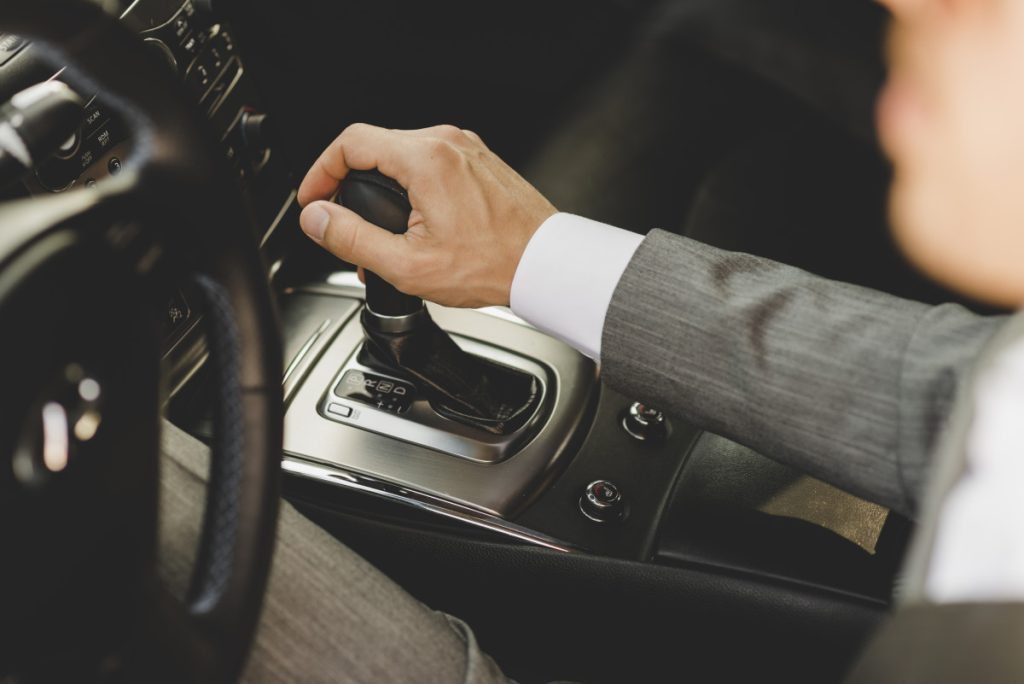
Automatic driving lessons teach you to drive a car that changes gears for you. No clutch pedal. No gear stick. Just brake and accelerator.
The car handles the thinking — so you can focus on the road.
What You’ll Learn Behind the Wheel
- Steering, signalling and lane discipline
- Smooth acceleration and braking
- Roundabouts, junctions, parking, and reversing
- Reading the road and planning ahead
- Defensive and safe driving habits
The Big Benefit — Less Stress
You Focus on the Road, Not the Gears
With no clutch or gear changes to worry about, automatic lessons feel calmer and more manageable — especially for nervous learners.
You don’t stall. You don’t roll back. And you don’t have to coordinate three pedals at once.
Great for Busy Roads and Heavy Traffic
In stop-start traffic, automatics are a dream. No constant gear changes. No biting point. Just steady, smooth driving — even in rush hour.
But Is Automatic Too Easy?
Easy Doesn’t Mean Lazy
Learning automatic doesn’t mean you’re taking shortcuts. You still need to learn good road positioning, anticipation, hazard awareness and safe driving techniques.
The difference? The car helps you with the mechanical stuff, so you can focus more on the thinking side of driving.
It’s Not About Taking the Easy Way Out — It’s About What Works for You
Some learners need more support to build confidence. Others just want to pass and get on the road.
If automatic helps you do that faster and with less stress — that’s a smart choice.
Who Should Consider Automatic Driving Lessons?
You’re a Great Fit If…
- You want to pass quickly and confidently
- You struggle with gear changes or clutch control
- You have anxiety, coordination issues or a disability
- You mainly plan to drive in towns or cities
- You want a stress-free learning experience
You Might Prefer Manual If…
- You want the option to drive any car, including manual
- You’re looking for long-term flexibility
- You plan to drive abroad, or rent cars often
- You enjoy learning new skills and want to master full control of the vehicle
The Benefits of Learning in an Automatic
Less to Think About, Faster to Learn
Most learners pick up automatic driving more quickly than manual. That often means fewer lessons — and less money spent overall.
No Stalling, No Panic Moments
You can’t stall an automatic. That removes one of the biggest fears new drivers face — and builds confidence much faster.
Ideal for Nervous or Anxious Learners
Without the distraction of gears and clutch, you can focus more clearly on reading the road and reacting calmly to what’s around you.
Future-Proof with EVs (Electric Vehicles)
Electric vehicles are all automatic. As the world shifts to electric, learning automatic now sets you up for the future.
The Downsides of Automatic (And Why They Matter Less Than You Think)
You Can’t Drive Manual Cars
If you pass your test in an automatic, your licence only covers automatic vehicles. To drive a manual, you’d need to take another test.
But if you never plan to drive a manual, this doesn’t matter.
Automatic Cars Can Be More Expensive
They tend to cost more to buy and repair — but this gap is closing fast, especially with the rise of electric and hybrid models.
Limited Options for Cheap Second-Hand Cars
Most older budget cars are manual. So your first car might cost a little more — or give you fewer choices.
What Learners Say After Choosing Automatic
“I was terrified of stalling — automatic gave me confidence from day one.”
“I passed quicker than all my mates learning manual, and I’m already on the road.”
“If you get nervous or overthink, this is 100% the better way to learn.”
Will I Pass Faster With Automatic?
Usually — But It Depends on You
Most automatic learners pass with fewer hours — around 30–35 on average.
But it’s not just about the car. Consistency, attitude and your instructor all play a part.
What to Expect From Your First Few Lessons
Learning the Basics — Quickly
With no gear changes or clutch work, you’ll get up to speed fast. Most learners are driving confidently within 1–2 lessons.
Mastering Road Awareness Early
Your instructor can focus more on road position, mirror checks, junctions and real-world traffic — not just mechanics.
Confidence Builds Fast
By lesson 4 or 5, most automatic learners are already dealing with roundabouts, dual carriageways and tricky traffic spots.
Still Not Sure If Automatic Is Right for You?
Here’s the simple answer:
Try one automatic lesson. Just one.
If it feels calm, natural and easier to handle — you’ve found your fit.
If not, no harm done. You can always explore manual instead.
Is Automatic the Future of Driving?
Yes — and It’s Happening Fast
The UK plans to ban new petrol and diesel cars by 2035. Most electric vehicles are automatic by default.
That means more automatic-only cars on the road — and more reasons to learn now.
You’re not limiting your future. You’re aligning with it.
Let’s Break the Decision Down
| ✅ Automatic Wins At | ❌ Automatic Might Not Suit |
|---|---|
| Quick progress | Those wanting to drive manual cars |
| Nervous learners | People driving abroad or renting often |
| Consistency & calm | Budget drivers buying older used cars |
| EV-ready future | Those who enjoy mastering mechanics |
Final Thought — Driving Your Way, Not Anyone Else’s
This isn’t about taking the “easy route.”
It’s about knowing yourself — and picking the path that gives you confidence, calm, and control.
If that’s automatic? Go for it.
The goal isn’t to impress. It’s to get you on the road safely, confidently, and ready for real life.
Ready to Try Automatic for Yourself?
Don’t overthink it. One lesson tells you more than hours of research.
You might be surprised how natural it feels.
And if it is right for you — you’ll be driving sooner than you think.
Automatic Driving Lessons FAQ's
It’s a lesson in a car that changes gears for you — no clutch, no manual gear stick, just brake and accelerator.
Yes. With no gears or clutch to worry about, most learners pick it up faster and feel less stressed.
No. An automatic licence only allows you to drive automatics. To drive manual, you’d need extra lessons and another driving test.
The average is 30–35 hours, but it depends on how often you practise and how confident you are.
Not usually per hour — but automatic cars can cost more to buy or hire. This gap is closing as more automatics hit the market.
Yes. With fewer controls to manage, you can focus on the road, build confidence, and enjoy calmer lessons.
Absolutely. You’ll still cover observation, road positioning, hazard awareness, and safe driving habits — just without gear changes.
Yes. Automatics handle stop–start traffic smoothly, making busy urban driving less tiring.
Yes. All electric vehicles are automatic, so learning now prepares you for the shift.
Yes — one taster lesson will show you instantly if it’s the right fit, without committing long term.